
SUSPENSION
One of the most important features of GRACE technique involves the suspension of the spine from the nape of the neck. It is a very, very powerful approach to spine health in particular because it creates space between the joints and it happens without physical efforting.
The idea of connecting the top of the head upwards to the heavens is not a new one. Many a dance teacher invokes this fantasy, and it is a very effect image to keep in mind. Suspending from the nape of the neck is different in that the joints of the spine especially become released. The spine actually relaxes joint by joint in a sequential process that is quite formidable in and of itself.
Learning how to release the joints is a very important step to take if we want to experience the depth that GRACE can potentially offer. Simply learning the circling technique is very valuable in an of itself. Separate GRACE NEWS articles detail those processes. Links are below.
The idea of connecting the top of the head upwards to the heavens is not a new one. Many a dance teacher invokes this fantasy, and it is a very effect image to keep in mind. Suspending from the nape of the neck is different in that the joints of the spine especially become released. The spine actually relaxes joint by joint in a sequential process that is quite formidable in and of itself.
Learning how to release the joints is a very important step to take if we want to experience the depth that GRACE can potentially offer. Simply learning the circling technique is very valuable in an of itself. Separate GRACE NEWS articles detail those processes. Links are below.
|
|
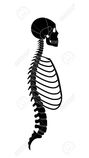
The idea of suspending yourself from the nape of the neck is obviously not really possible. Gravity prevents it in reality. But the mind gives us a very effective alternative. Visualization. Simply imagining suspending myself from the nape of the neck now automatically releases my entire spine, expanding the joints and releasing tension, both chronic tension from dance and life as well as tension that lingers from past trauma.
Weight plays an outsized role in suspension. It is one of the reasons this technique works so well. We let the heaviness of our body stretch our joints apart. Because the point of origin is the top of the spine, the joint expansion releases and adjusts the vertebrae into natural alignment. All happening through imagining. The mind is an amazing thing.
Why is the concept of suspension such a powerful one for the body?
There are 2 situations in physics where we have 2 distinct choices. Interestingly, we often choose the harder path.
Push instead of pull: I work with seniors a great deal of the time. Falls and preventing them is high on my list of priorities. One of the issues seniors have is how to get up off the floor after a fall. Most advice is to find a nearby support and pull yourself up. However, it is far easier to push yourself off the floor than pull yourself up. Pushing is a much safer and more effective use of your energy and muscle in anything.
Suspend instead of lift: A similar phenomenon occurs when you have the choice to suspend something versus lifting it up. The something I am writing about is your body. We can suspend our body or we expend significant effort and musculature to keep our body lifted. It really comes down to the fact that we are 2 legged creatures. It takes remarkable effort to keep us upright, effort we take for granted since we deal with it constantly. Imagine a 2 legged bar stool and how much you would have to do to keep it from falling over. So lifting is a huge deal for us. Suspending on the other hand is beneficial in several ways: It is wonderful for the joints, requires little effort, very relaxing and consequentially, excellent for our health and well being.
Push instead of pull: I work with seniors a great deal of the time. Falls and preventing them is high on my list of priorities. One of the issues seniors have is how to get up off the floor after a fall. Most advice is to find a nearby support and pull yourself up. However, it is far easier to push yourself off the floor than pull yourself up. Pushing is a much safer and more effective use of your energy and muscle in anything.
Suspend instead of lift: A similar phenomenon occurs when you have the choice to suspend something versus lifting it up. The something I am writing about is your body. We can suspend our body or we expend significant effort and musculature to keep our body lifted. It really comes down to the fact that we are 2 legged creatures. It takes remarkable effort to keep us upright, effort we take for granted since we deal with it constantly. Imagine a 2 legged bar stool and how much you would have to do to keep it from falling over. So lifting is a huge deal for us. Suspending on the other hand is beneficial in several ways: It is wonderful for the joints, requires little effort, very relaxing and consequentially, excellent for our health and well being.
Suspending is not collapsing: When we collapse, our weight falls onto our joints, compressing them. For instance, if we slump in our chair with our shoulders rolled forward and our chest sunken, the weight of our upper body caves in onto our spine and pelvic bones. When we suspend our weight, the opposite occurs. Our joints expand and open. Both imply relaxation but only one of them delivers.
The dynamics of suspension in GRACE:
When you suspend yourself from the nape of your neck, the spine releases in sequence: Sequential release is a function of the nervous system. When release is stimulated at the top of the spine, where the atlas vertebrae meet the scull, the muscles and joints of the body release in sequence from the top down. The result is profound relaxation. The joints relax and space is created.
Benefits from suspending from the nape of your neck are far-reaching and for me, life changing.
Benefits from suspending from the nape of your neck are far-reaching and for me, life changing.
- Joint health improves, especially the joints of the spine.
- Posture improves: The back joints straighten out from the action of suspension. We get taller.
- Neck's tension and distortion softens with resultant improvement in the cervical vertebrae, their disks and the health of the root nerves that pass between each.
- The rib cage stays lifted without effort! One of the most difficult things to accomplish when you are older is having the strength to keep your rib cage lifted. With suspension, there is no need to try to do anything. The rib cage automatically lifts and floats. This allows the lungs to breathe more deeply resulting in relaxation.
- Core abdominal musculature is automatically engaged, again without effort. And the muscles are engaged in their stretched and lengthened form, which is far more attractive and powerful.
- GRACE makes you happy emotionally and connected spiritually: The release and lengthening of the spine has deep benefit emotionally and metaphysically.
There are associated cautions too.
- Dancing can get sloppy: Suspending the body from the nape of the neck has such a relaxing effect on the entire body that the feet tend to loose articulation. The body basically can get too relaxed.
- Foot stance widens: The cultivated posture of the feet set closely together tends to deteriorate because the legs profoundly relax in their natural position which is hip distance apart.
- The neck, hips and knees tend to stiffen lengthwise: Significant time spent lengthening through suspension can reduce range of motion horizontally.
- We can become ungrounded: The deep relaxation of the body can loosen our body's grasp of reality.
Recommendations
- The neck: It's highly recommended that you include neck exercises in your GRACE warmup. This is particularly valuable because the top joint of the neck is such a critical one for the concept of suspension. Stretching out neck tension makes GRACE technique much more accessible.
- Develop adeptness in joint circling technique: An ability to circle the head freely in the top neck joint is crucial to experiencing suspension in particular. You will find, after practice, that circling is extremely beneficial for many areas of the body.
- Forming energy along the body's natural path is an essential next step after learning to suspend. Any vagueness that contributes to a sense of sloppiness disappears. Movement becomes clear, defined and meaningful. Safety is reinforced.
- Adductor exercise trains the body to keep the legs more closely together. Easily accomplished through weight training and/or ballet, it also reinforces the power of the core.
In addition:
- Practice grounding.
- Keep the hips and knees limber using circling.
- Pay attention to your feet, through exercise or simple awareness.
Ways you can experience suspension:
Several methods use suspension as a critical element:
- Aerial yoga: I have been practicing this form for a year now and absolutely love it. It is especially good for releasing hard to get at tension in the deep lower back and hips, fantastic for dancers.
- Suspension gear which allows you to hang upside down from your feet: Our 86 year old yoga instructor swore by this and hung upside down 30 minutes every morning! Not recommended unless there is someone there to help you get down if you need to.
- A body part held as dead weight: This concept is used extensively in GRACE release exercises. It is why the exercises work so well.
- Traction: This older method for dealing with back problems involved a pulley weight system to stretch the spine longer while lying in bed. Traction is still an approved medical treatment for use under specific circumstances.
- Your body is suspended when someone else lifts you up.
Suspension from the nape of the neck can be potent beneficially even when imagining it in different dimensions, even though in reality it would be improbable. It is a powerful concept to utilize in floor work for example.
The next step: Forming.
Published July 4, 2026.